

The choice between a white-label and an in-house prop trading platform establishes the firm’s launch path and its long-term operating boundary. It determines who owns the trading core, how the rule engine supports the account lifecycle, and who is responsible for integrations and the work that follows.
Each model suits a different type of firm. The useful choice starts with the differentiation the team needs and the responsibilities it can sustain. It also depends on the evidence the team can assess before committing.
A white-label prop trading platform is an established, configurable platform that a firm uses under its own brand. Within the agreed scope, the provider maintains the underlying platform. The firm configures product rules and the trader journey while retaining daily program decisions.
This division lets the firm shape its service model and program design around its own market position.
Building an in-house prop trading platform means that the firm develops and operates the underlying platform stack itself. It owns the codebase and makes the underlying design choices. Platform delivery and its ongoing technical obligations sit inside the firm.
After the first release, the team remains responsible for keeping the stack dependable. Integration changes require internal planning, and incidents need a response path supported by people who understand the system.
| Decision area | White label approach | In-house approach |
|---|---|---|
| Implementation | Configure an established prop trading platform within the agreed delivery scope | Design, build, test, and release the required platform capabilities |
| Customization | Differentiate through configurable rules, branding, journeys, services, and selected integrations | Extend differentiation into underlying workflows, data models, and architecture |
| Ownership | Provider owns the platform layer within the agreement; operator owns program design and daily decisions | Firm owns the codebase, architecture, release process, and their outcomes |
| Maintenance | Review the provider’s configuration, release, and support boundaries | Maintain reliability, security work, changes, and technical continuity internally |
| Operating responsibility | Define the handoff between program operations and provider support | Carry the full boundary between program operations and platform operations |
These distinctions give founders a practical frame for comparing control with the commitment required to keep that control useful.
Those trade-offs become more concrete when a team maps them to day-to-day operating work. Use this worksheet to compare the operating scope each model places on the firm. It highlights the delivery boundaries and responsibilities that should be clear before a commercial decision.
Once those boundaries are clear, the team has a practical starting point for choosing a prop trading technology provider.
| Operating area | White label | In-house |
|---|---|---|
| Staffing | Roles for configuration, program operations, and provider management | Roles for product, engineering, QA, and technical operations |
| Integrations | Available connectors, delivery scope, and change process | Connections to design, build, test, and maintain |
| Hosting and security | Platform operating scope included in the agreement and the operator’s control requirements | Environment, monitoring, controls, patching, and incident-response scope |
| Support | Trader support, reviews, disputes, and the agreed provider-support boundary | Trader support alongside platform triage and technical escalations |
| Migration | Data portability, configuration documentation, transition terms, and archive access | Data model, export capability, cutover plan, and historical-record continuity |
White-label platforms merit serious consideration for early-stage teams that are validating a market proposition. They provide a configurable operating foundation with a more predictable initial commitment, helping the firm retain early capital for launch and program operations.
The fit is stronger when the essential platform capabilities are available through an established platform. It is especially relevant when a team needs to work toward a near-term launch while keeping configuration and testing focused.
To test that fit, turn the relevant requirements into scenarios a provider can demonstrate in the actual product and delivery process.
Building a platform internally can be justified when the operator has a durable engineering advantage and has validated that its proprietary workflow needs a capability beyond configuration. It is a stronger fit for teams that have already invested in their technical foundation and can sustain a longer delivery cycle as their market proposition matures.
A production-ready in-house platform moves from the build into integration and testing before launch preparation. This path works best when the firm has enough runway for that work.
That work extends beyond launch preparation. Name owners for risk services and account logic early, then include integration changes and testing in the post-launch operating plan.
Record the answers alongside the relevant details in the worksheet. They make the decision reviewable after the initial implementation discussion.
Choose the model whose responsible team can review the needed evidence and sustain the work over time. The right answer follows the firm’s strategy and operating readiness.
days left to apply

Prop Firm Funded Account Workflow: From Demo Challenge to Payout Eligibility If
When you run a prop firm challenge, rule enforcement starts when something
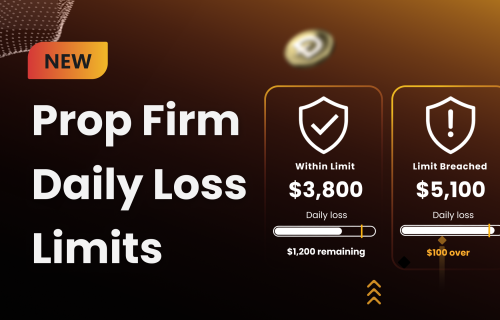
Prop Firm Daily Loss Limits: How to Configure and Enforce Them If
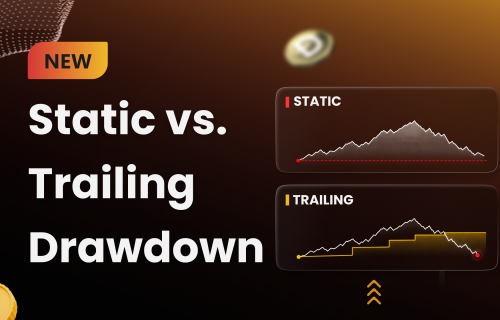
Static vs Trailing Drawdown: A Guide for Prop Firm Operators Static vs
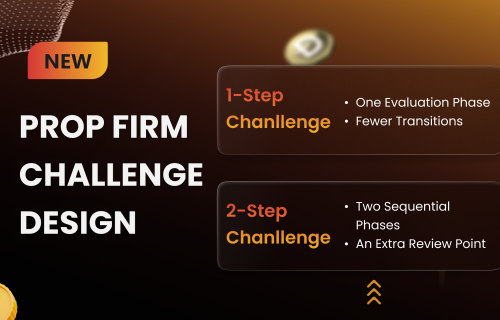
One-Step vs Two-Step Prop Challenges: A Guide for Prop Firm Operators If
If you are comparing a prop trading platform vs brokerage platform, it
Tell us about your project and we’ll schedule a demo with our product specialists.
By submitting, you agree to our privacy policy and consent to being contacted about opportunities.