
When you run a prop firm challenge, rule enforcement starts when something changes on an account. A real-time challenge monitoring workflow for your program first identifies the affected account. It then applies the right rule version and works out what the update means for that trader.
The first event might be a trade update, a fee, or another account change. From there, a usable enforcement flow usually looks like this:
An operator should be able to look back at the event and follow that story without filling in the gaps from memory.
“Daily loss” sounds like one setting. In practice, the system needs to know the account phase and the rule version in force when the event arrived. The calculation basis matters too. The reset state and time zone tell the platform where that event sits in the day.
That context lets a team explain why two similar-looking events may lead to different outcomes. It also makes a rule change traceable to the accounts it affects.
Late data is part of running a live program. A platform needs a known route for an update that arrives after the fact. The team can then follow the same path during a review.
Set out how duplicate messages are handled. Do the same for corrected trades. When a service interruption changes an account value, record whether the system recalculates the earlier event or sends it to review. Support and operations can then give traders the same explanation.
Account activity can bunch together. A position may change near a daily reset, or a fee may arrive while someone has opened a review. The system needs an order of operations and a record of that order.
That matters for daily loss limits, because the start-of-day reference and the timing of an update can change the result. Trailing drawdown rules need the same care around their reference values.
When a trader opens a notification, they need to understand what changed and what they can do next. Name the account and the relevant rule or state, then point them to the right next step without adding internal detail that does not help them.
An internal alert should carry enough evidence for an operator to see whether the action was automatic or needs a review. It should lead back to the account record, where the calculation can be checked.
Months after an event, you may need to explain a decision to support, a trader, or an internal reviewer. A useful log connects the source event to the account state, then shows the calculation and the action that followed.
| Illustrative breach-log field | Example value | Why it matters |
|---|---|---|
| Event ID | evt_2026_10_07_1842 | Connects a review to the source event |
| Account state | Evaluation phase 1 | Selects the applicable program context |
| Rule version | Daily-loss v3 | Preserves the rule used at the time |
| Calculation input | Start $100,000; equity $94,900 | Makes the result reproducible |
| Outcome and action | Breach; review queue opened | Shows what changed in the account |
| Notification | Trader email queued at 18:43 UTC | Connects the decision to communication |
Illustrative log only. Production systems should use their own identifiers and retention policy.
Before you launch, start with a normal account update, then run a threshold warning. Repeat the exercise with a breach. After that, introduce late data and make sure a failed notification or manual review still leads to a clear result. Bring the people who will use your process into the same walkthrough. Questions about timing and ownership are much easier to fix at this stage.
Request a walkthrough of challenge monitoring and breach handling.
days left to apply
When you run a prop firm challenge, rule enforcement starts when something
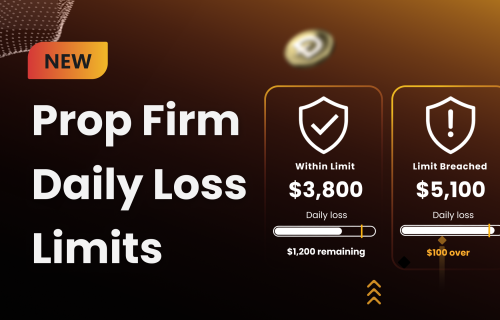
Prop Firm Daily Loss Limits: How to Configure and Enforce Them If
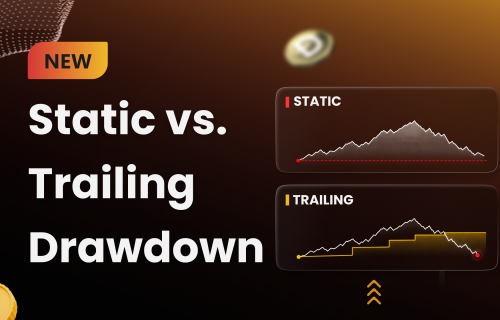
Static vs Trailing Drawdown: A Guide for Prop Firm Operators Static vs
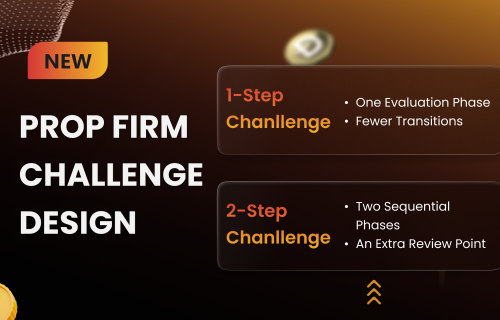
One-Step vs Two-Step Prop Challenges: A Guide for Prop Firm Operators If
If you are comparing a prop trading platform vs brokerage platform, it
White Label vs In-House Prop Trading Platform: Costs and Trade-Offs The choice
Tell us about your project and we’ll schedule a demo with our product specialists.
By submitting, you agree to our privacy policy and consent to being contacted about opportunities.