| TinyTrader Upgrades Configuration-Driven Asset Onboarding and MPC Custody |
From symbol setup to custody records, new asset launches become easier to manage through structured configuration.
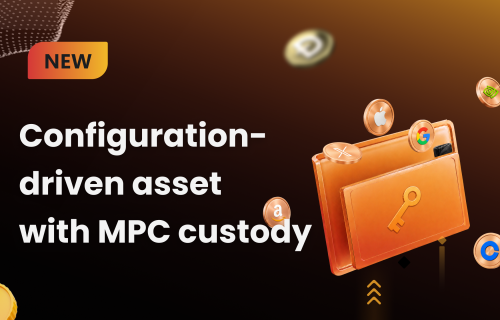
TinyTrader has upgraded its Configuration-Driven Asset Onboarding and MPC Custody capabilities. The release helps platforms move new-asset integration from one-off implementation work toward a standardized configuration process that can reuse existing custody, deposit-processing, and ledger infrastructure.
For platforms expanding tokenized asset coverage, onboarding is rarely just a symbol setup task. Each asset may require issuer information, blockchain network and token contract configuration, quote currency settings, order-size rules, price limits, custody accounts, deposit detection, and ledger mappings. TinyTrader brings these steps into a more connected onboarding workflow.
Asset onboarding becomes easier to manage when key product information is handled as structured configuration instead of one-off engineering work. The upgraded workflow lets teams configure symbol, issuer, blockchain network, and token contract for each tokenized asset.
It also supports quote currency, minimum order size, and price limit configuration. These controls help teams define clearer trading boundaries when new assets are prepared for launch.
Adding a new asset should not require a separate custody and deposit stack each time. TinyTrader reuses existing MPC custody wallets and deposit-processing capabilities, helping platforms expand asset coverage without rebuilding the same operational flow repeatedly.
This reuse reduces duplicated development work and makes asset onboarding feel more like a repeatable infrastructure process than a series of custom builds.
Multi-network asset support depends on reliable deposit detection and crediting across supported chains. The workflow detects and credits token deposits on Ethereum and Solana, helping platforms keep these operations more consistent as new assets are added.
The system organizes deposit processing around configured networks and token contracts, giving teams a clearer relationship between asset setup, deposit recognition, and user ledger updates.
As asset coverage grows, custody records and ledger identifiers need a clear structure behind them. TinyTrader creates dedicated custody sub-accounts and ledger mappings for each asset, making it easier to connect custody records, asset identifiers, and ledger activity.
Dedicated mappings make asset operations easier to review, especially as platforms add more tokenized assets across different networks and product categories.
Some tokenized assets require more controlled custody and access workflows than open-market products. The upgrade supports custody workflows for allowlisted or qualified-purchaser assets, allowing platforms to keep asset-level requirements closer to custody operations.
The goal is not to make custody operations heavier. It is to let different asset types retain the rules they need while still operating inside a shared infrastructure framework.
When Configuration-Driven Asset onboarding follows a repeatable configuration process, product teams can move faster while operations teams retain clearer control. By combining configuration-driven onboarding with the existing MPC custody stack, TinyTrader helps make new-asset integration more standardized and manageable.
For platform teams, this can reduce the development and operating effort required to add tokenized assets while keeping custody, deposit processing, and ledger mappings easier to manage over time.
TinyTrader continues to strengthen Configuration-Driven Asset onboarding, MPC custody, deposit-processing, and ledger mapping modules that help platforms expand tokenized asset coverage with a more repeatable operating model.
Book a demo to see how TinyTrader can help your platform accelerate tokenized asset onboarding.
days left to apply
Tell us about your project and we’ll schedule a demo with our product specialists.
By submitting, you agree to our privacy policy and consent to being contacted about opportunities.